There are no items in your cart
Add More
Add More
| Item Details | Price | ||
|---|---|---|---|
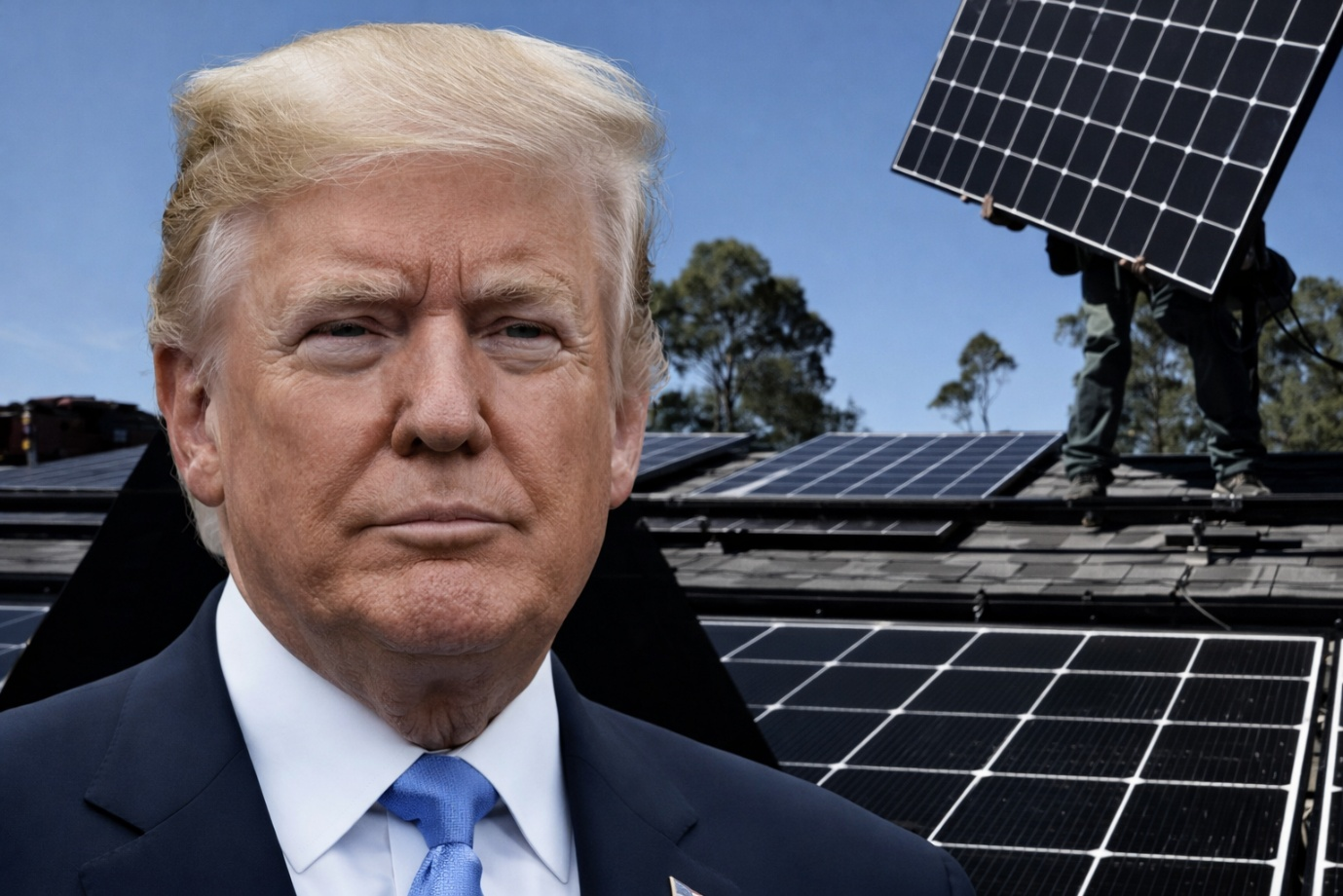
The United States has decided to charge a massive 126% duty on solar panels imported from India. This means Indian solar products will now cost more than double in the American market, making it very hard for Indian companies to compete there. The US Commerce Department announced this decision on February 24, saying that Indian manufacturers get unfair support from their government, which helps them sell panels cheaper than American companies can.
Why Did the US Do This?
American solar companies filed a complaint in July 2025, saying that manufacturers in India, Indonesia, and Laos were selling panels at unfairly low prices, hurting US businesses. A group called the Alliance for American Solar Manufacturing and Trade led this complaint, which included big names like First Solar and Qcells. They also accused some Chinese companies of moving their production to these countries just to avoid the heavy taxes the US already puts on Chinese goods. Along with India, the US also set duties of 86% to 143% on Indonesia and 81% on Laos.
What Does This Mean for Indian Companies?
The short answer is that the American market is now practically closed for Indian solar exporters. India exported solar products worth around $793 million to the US in 2024, which was nine times more than in 2022. That business is now at serious risk. However, most major Indian solar companies say they are not panicking. Waaree Energies, one of the biggest players, said it does not expect any major damage because it has already been building manufacturing facilities inside the US. The company currently makes 2.6 GW of solar panels in the US and plans to grow that to 4.2 GW soon. Vikram Solar said it was already buying panels from other countries with lower taxes for its American orders, so the new duties will not hurt it much directly. Premier Energies said the impact is "almost nil" because it had already stopped exporting to the US after the investigation began last August.
What About the Domestic Market?
Some analysts worry that Indian companies may now flood the domestic market with the panels they can no longer sell in the US. India already has a surplus manufacturing capacity of around 140 GW, which is expected to grow to over 165 GW. More supply chasing the same buyers could push prices down and hurt profits.
Is This Connected to Trump's Tariffs?
No. These are separate from the broad global tariffs that President Trump had introduced earlier. The US Supreme Court struck down those sweeping tariffs last week, and Trump has since replaced them with a 10% global tariff. The 126% on Indian solar panels comes from a different legal process called a countervailing duty investigation, focused specifically on government subsidies.
What Happens Next?
This is still a preliminary decision. The final ruling is expected on July 6. If the US confirms its findings, the duties will become permanent. India's solar industry body, the National Solar Energy Federation, is hopeful that an ongoing trade deal between India and the US might eventually cancel out these duties. The two countries had reached a bilateral trade agreement earlier this month aimed at reducing tensions, so there is still some room for negotiation. For now, Indian manufacturers are refocusing on selling more within India and exploring other international markets to make up for the potential loss of American business.