There are no items in your cart
Add More
Add More
| Item Details | Price | ||
|---|---|---|---|
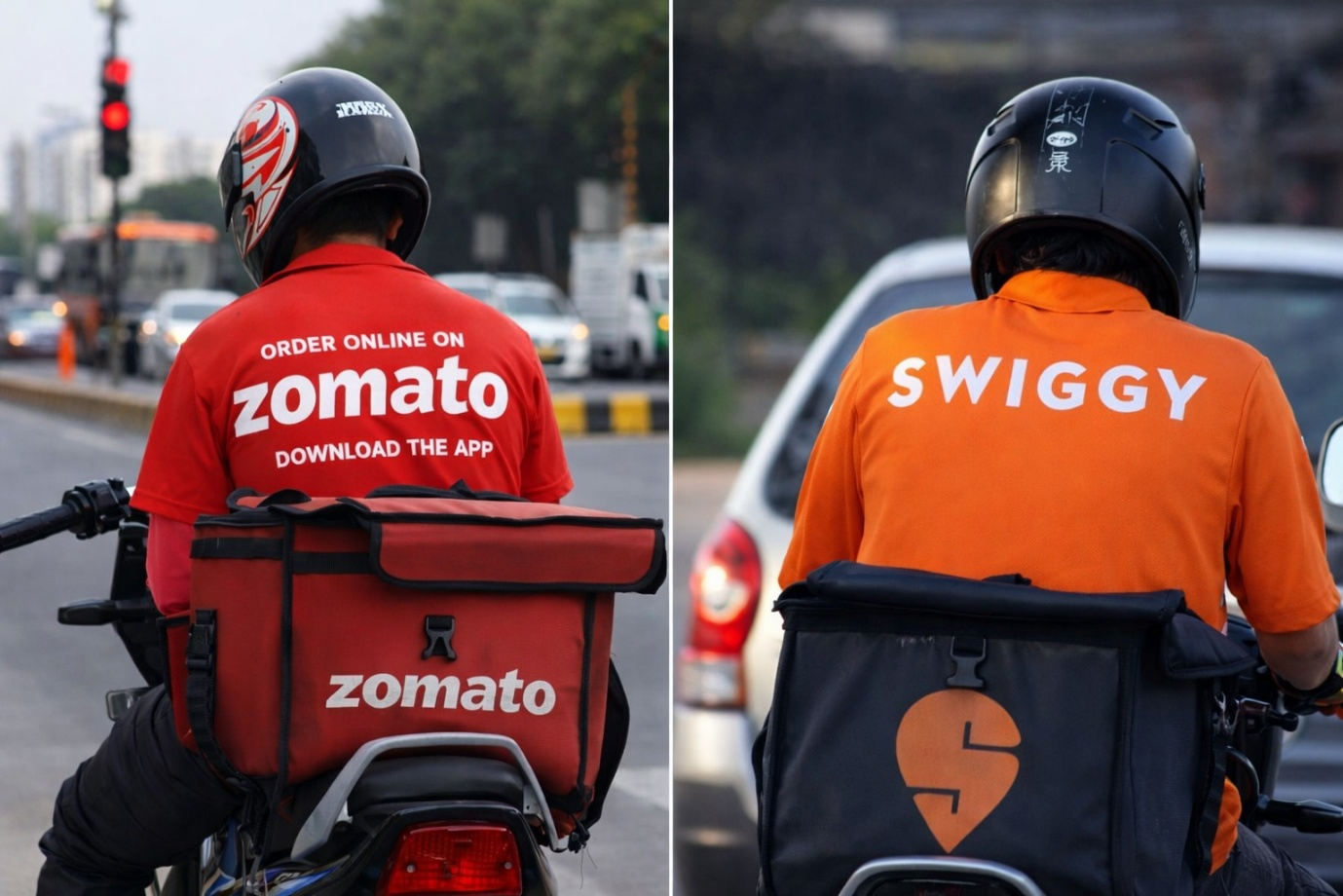
If you've ordered food online recently and felt like the bill seemed higher than usual, you're not imagining it. Swiggy has quietly increased its platform fee to Rs 17.58 per order, inclusive of GST. This comes just days after Zomato did the same, raising its platform fee to Rs 14.90 per order before taxes - which also works out to Rs 17.58 after GST is added. So both apps are now charging the same amount. And neither of them sent you a notification about it.
Wait, What Even Is a Platform Fee?
A platform fee is a flat charge added to every order you place - no matter how big or small the order is, no matter how far the restaurant is. It shows up quietly in your bill breakdown, sitting alongside delivery charges and GST. It is not a delivery charge. It does not go to the delivery rider. It goes to the platform itself - Swiggy or Zomato - to cover things like running their apps, maintaining their technology, and managing customer support. The key thing to understand is that this fee applies on every single order. So if you order five times a week, you are paying this fee five times a week.
How Much Has This Fee Grown?
This is where things get interesting. Swiggy first introduced a platform fee back in April 2023. It was Rs 2. Just two rupees. Zomato followed a few months later at Rs 3. By October 2024, both apps had pushed it to Rs 10. Then in September 2025, it crept up again - Zomato moved to around Rs 12 and Swiggy to roughly Rs 12.70. Those increases were quietly made permanent after being tested in select cities during festive periods. Now, in March 2026, both are sitting at Rs 17.58. In under three years, the fee has gone up nearly ninefold from where it started. And it shows no sign of stopping.
Why Are They Doing This?
The companies point to rising operating costs - fuel prices, rider payouts, technology upkeep, customer support, regulatory compliance. Zomato specifically flagged that crude oil prices going up due to the ongoing Middle East conflict is pushing fuel costs higher for delivery operations. But there's another, more straightforward reason: it works. Platform fees are, according to industry insiders, one of the most profitable things these companies do. Unlike offering discounts or paying riders, there's almost no cost attached to charging a platform fee. Most of it goes straight to the bottom line. One senior executive at a food tech firm put it bluntly: the platform fee is one of the cleanest money-making tools they have. And since both Zomato and Swiggy keep raising it in step with each other, customers have nowhere to go to avoid it.
What Are People Saying?
On social media, reactions have ranged from resigned to frustrated. One user pointed out that a Rs 200 burger ends up costing Rs 350 by the time you add platform fees, surge charges, rain charges, and delivery fees. Another person noted that most people will keep ordering anyway since the individual hike seems small - just a couple of rupees - but the habit adds up over time. A few people have done the math: if you order regularly, the platform fee alone costs you hundreds of rupees a month. Some subscribers to Swiggy One - the paid membership programme - were also unhappy to find that the platform fee applies to them too, despite paying for a subscription.
Is Anyone Trying to Challenge This?
Yes, actually. Rapido, the urban mobility startup better known for its bike taxis, has just launched a food delivery service called Ownly in Bengaluru. Their pitch is simple: no platform fee, no extra charges beyond a delivery fee - for both customers and restaurants. It's a direct challenge to the model Zomato and Swiggy have built. Whether Ownly scales beyond Bengaluru or manages to genuinely disrupt the market remains to be seen, but the timing is notable. Flipkart is also reportedly working on entering the food delivery space, which could add more pressure down the line.
What Does This Mean for You?
For now, every food order you place on either Swiggy or Zomato will cost you Rs 17.58 more than the restaurant's listed price and delivery charge - before any other taxes. For occasional orders, it's manageable. For frequent users, it adds up. The broader picture is that platform fees, once experimental, are now a fixed and growing part of online food ordering in India. They behave a lot like convenience fees on movie tickets - once introduced, they only go one direction. If that bothers you, the most obvious option is what many social media users have already suggested: maybe it's time to learn to cook.