There are no items in your cart
Add More
Add More
| Item Details | Price | ||
|---|---|---|---|
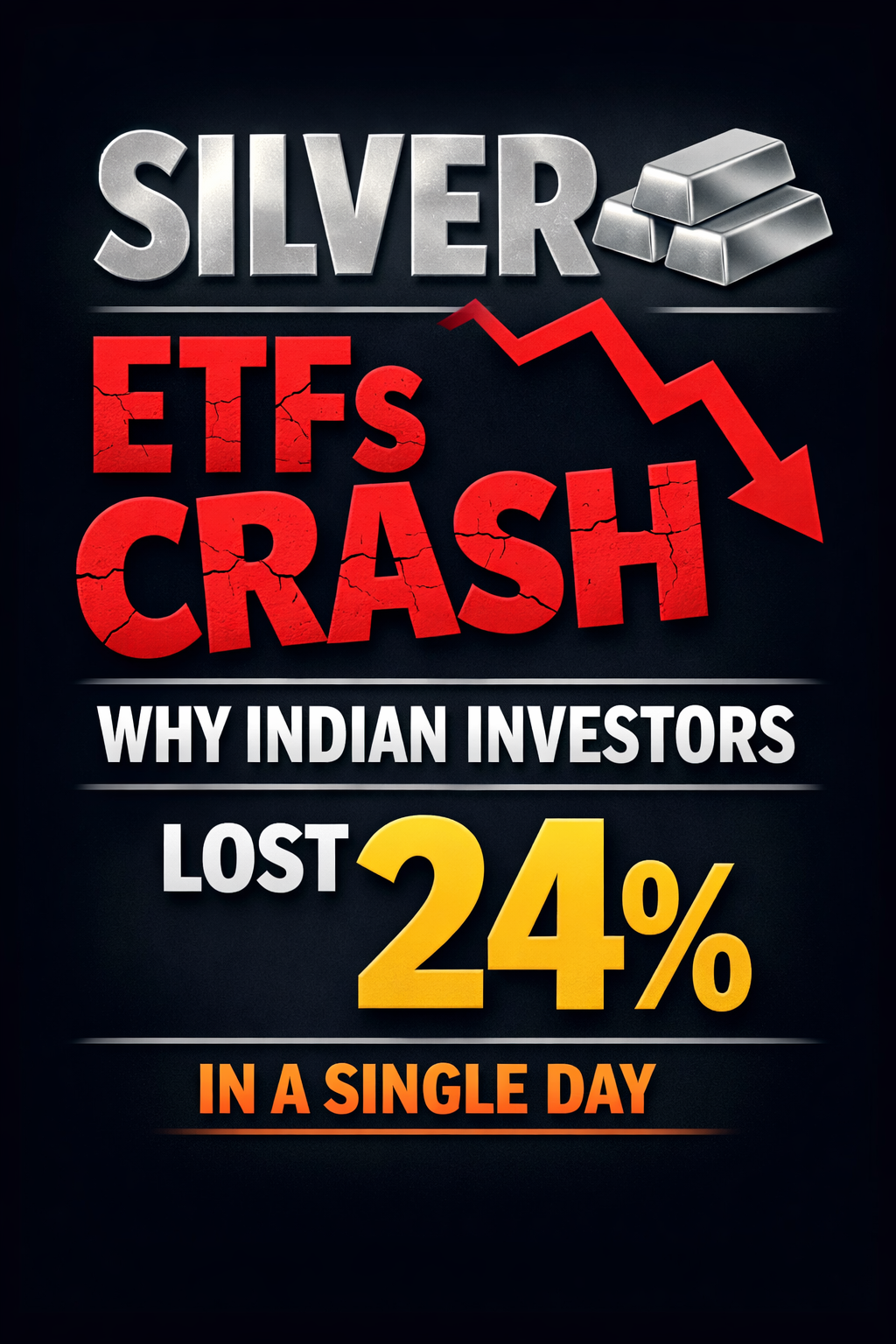
Thursday turned into a nightmare for Indian silver investors as exchange-traded funds crashed by up to 24% in just one trading session. What had been a dream investment for months suddenly became a cautionary tale about speculation and market bubbles.
The Damage Report
The numbers are startling. Tata Silver ETF collapsed 24% to ₹25.56. Edelweiss and Mirae Asset Silver ETFs dropped 22% each. The 360 ONE Silver ETF lost 21%, and Nippon India Silver ETF fell 20%. These aren't small corrections-these are massive losses that wiped out weeks or months of gains for many investors. Here's what makes this crash unusual: it mainly hit ETFs. The actual silver price barely budged. Global silver traded at $92.27 per ounce, close to its record high of $95.87 from Tuesday. Indian silver futures on MCX fell only 4% to ₹305,753 per kilogram. So if silver itself didn't crash, why did silver ETFs collapse? The answer lies in understanding what went wrong in the Indian market.
The Premium Problem
For weeks, Indian silver ETFs had been trading at inflated prices. They cost much more than the actual silver they held. Think of it like buying a ₹100 note for ₹130-it doesn't make sense, but that's exactly what was happening. Harshal Dasani from INVasset PMS breaks it down: Indian silver prices reached $107 per ounce while international prices were only $94. That's a $13 gap-huge by any standard. Why would anyone pay such a premium? Rumors. Everyone was talking about the upcoming Union Budget possibly raising import taxes on precious metals. Investors thought: "If import duties go up, silver prices will skyrocket. Better buy now, even at high prices." This thinking created a feeding frenzy. More buying pushed prices higher, which attracted more buyers, pushing prices even higher. Classic bubble behavior.
When Rumors Drive Markets
The premium wasn't based on reality. There was no actual shortage of silver. Industrial demand hadn't suddenly exploded. The only thing driving prices was speculation about what might happen in the budget. When you build a house on rumors instead of facts, it doesn't take much for it to collapse. That's exactly what happened.
Why ETFs Fell Harder
Manav Modi from Motilal Oswal explains the technical side. ETFs calculate their values differently than futures. Futures prices react instantly to news. ETFs update slower because they close at 3:30 pm and use end-of-day calculations. When the inflated premium started falling apart, retail investors panicked. They rushed to sell before losing more money. This panic selling created a domino effect-selling triggered more selling, which triggered even more selling. Within hours, the premium evaporated and turned into losses.
The Global Trigger
While Indian speculation built the bubble, global events popped it. US President Donald Trump made statements that eased geopolitical tensions. He ruled out military action over Greenland and backed away from some tariff threats against Europe. Why does this matter? During tense times, investors flock to "safe" assets like gold and silver. When tensions ease, they move money back into stocks and other riskier investments that offer higher returns. Trump's calmer tone made investors rethink: "Do we really need to hold silver for safety anymore?" The answer for many was no. They started selling, and the US dollar strengthened, making precious metals less attractive globally.
What Experts Are Saying
Despite the crash, some analysts remain cautiously optimistic. Ponmudi R from Enrich Money points out that real industrial demand for silver is strong. Solar panels, electric vehicles, electronics, and AI technology all need silver. This fundamental demand hasn't changed. However, after silver prices jumped 200% over the past year, caution is necessary. Manav Modi advises investing gradually through monthly SIPs (systematic investment plans) rather than putting in large amounts at once. This way, you average out the volatility.
The Bottom Line
This crash offers important lessons. First, don't invest based on rumors. The budget speculation that drove prices up was just that-speculation. When reality didn't match expectations, prices crashed. Second, understand what you're buying. Many investors probably didn't realize they were paying huge premiums above actual silver values. When those premiums disappeared, their losses were amplified. Third, markets correct themselves. Prices can stay irrational for a while, but eventually reality catches up. Those caught holding overpriced assets when the correction comes face painful losses. The 24% crash in silver ETFs wasn't about silver losing value. It was about an artificial, speculation-driven premium collapsing back to earth. For investors, the message is clear: stick to fundamentals, avoid chasing hype, and never let fear of missing out drive your investment decisions.