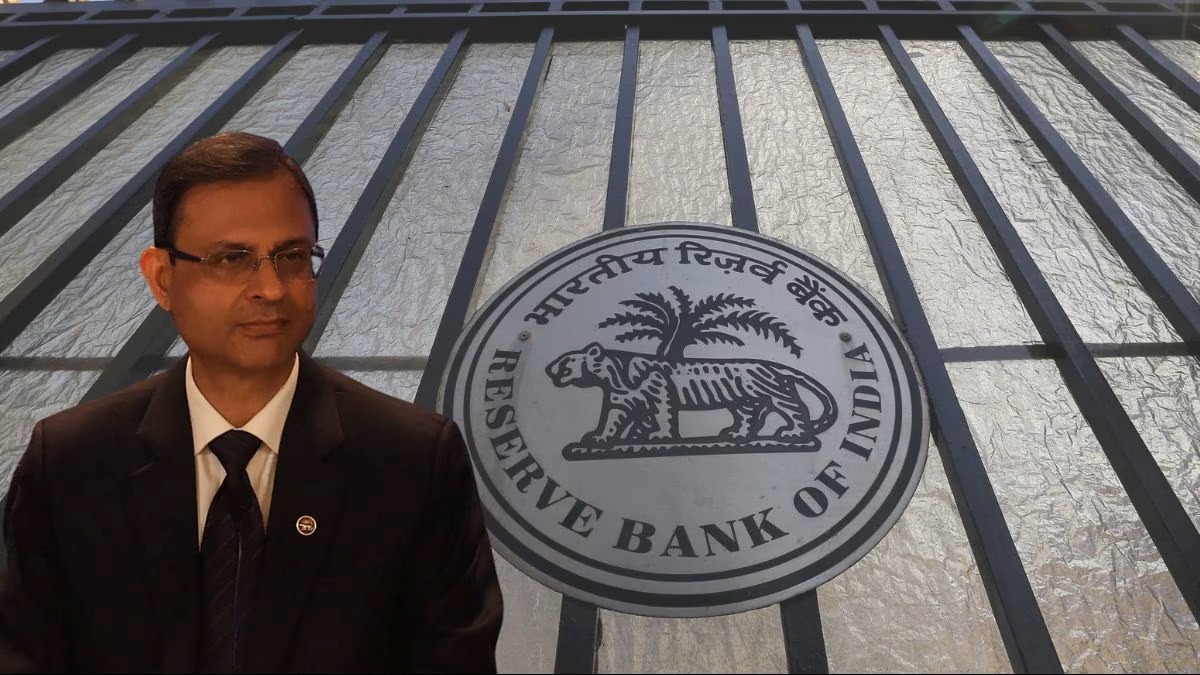
The Reserve Bank of India has decided to keep the repo rate unchanged at 5.25% in its latest monetary policy meeting held on February 6, 2026. This decision comes after the central bank had already reduced rates by 125 basis points since February 2025.
Why Did RBI Pause Rate Cuts?
Governor Sanjay Malhotra and the six-member Monetary Policy Committee voted unanimously to maintain the current rate. The central bank has adopted a cautious approach, balancing domestic economic strength against global uncertainties.
The Indian economy is performing well. The RBI has raised its growth forecast for the current financial year to 7.4% from the earlier estimate of 7.3%. Strong agricultural activity, improving corporate performance, and steady manufacturing are driving this growth.
However, global conditions remain uncertain. Trade tensions, volatile capital flows, and rising commodity prices are creating external challenges. By keeping rates steady, the RBI is preserving its flexibility to respond to any future shocks while allowing previous rate cuts to fully impact the economy.
Inflation Trends and Projections
Retail inflation has dropped significantly to 1.3% in December, well below the RBI's target of 4%. Food prices have actually fallen, providing relief to consumers.
But the RBI expects inflation to rise gradually. The central bank has revised its inflation estimate for the current financial year to 2.1% from 2.0%. For the upcoming quarters, inflation is projected to climb to 3.2% in Q4 of FY26 and 4.0% in Q1 of FY27.
This increase is partly due to higher precious metal prices and less favorable base effects as last year's sharp price declines will make year-on-year comparisons look higher.
What This Means for Fixed Deposit Investors
The pause in rate cuts is good news for savers. Fixed deposit rates are unlikely to fall further in the near term. This creates an opportunity to lock in current rates before they potentially decline.
Some banks are offering attractive rates. Slice is providing up to 7.75% on fixed deposits, while Utkarsh Bank offers 7.5%. These rates are particularly appealing given the low inflation environment.
Senior citizens continue to enjoy additional premiums on their deposits, making fixed deposits even more attractive for this group.
Financial experts suggest spreading investments across different tenures rather than putting all money in one deposit. This strategy, called laddering, helps maintain liquidity while capturing good returns.
Impact on Borrowers
For those with existing loans, the repo rate pause means EMI relief will not come immediately. However, the cumulative 125 basis point cut already delivered since February 2025 continues to support loan affordability.
Borrowers with strong credit profiles may still find opportunities to refinance their loans at better rates as banks adjust their lending rates to reflect the lower repo rate environment.
Economic Outlook Remains Strong
The RBI remains optimistic about India's economic prospects. Recent trade agreements with the European Union and ongoing negotiations with the United States are expected to boost exports in the medium term.
Rural demand is improving due to better agricultural conditions and a stronger rural labor market. Urban consumption is also picking up, supported by GST rationalization and easier monetary policy.
The government's continued focus on infrastructure spending and healthy corporate balance sheets provide additional support to economic growth.
What Comes Next?
Most analysts expect the RBI to maintain this pause for the foreseeable future. The central bank will closely watch how inflation evolves and how effectively previous rate cuts transmit through the banking system.
The next monetary policy meeting is scheduled for April 6-8, 2026. By then, new GDP and inflation data will be available, giving policymakers a clearer picture of economic conditions.
The RBI has also indicated that it will release new GDP series data in April, which may provide fresh insights into the economy's actual performance.
Planning Your Finances
Given the current scenario, here's what different groups should consider:
Savers should take advantage of the current fixed deposit rates before they potentially decline. Diversifying across different banks and tenures can help maximize returns while maintaining flexibility.
Borrowers should continue making regular payments and consider refinancing options if available. The stable rate environment provides predictability for financial planning.
Investors can focus on domestic demand-driven sectors that benefit from strong consumption and infrastructure spending, while remaining cautious about export-oriented businesses facing global headwinds.
The RBI's decision reflects a balanced approach—supporting economic growth while remaining vigilant about inflation risks and global uncertainties. For ordinary citizens, this means a stable financial environment with predictable interest rates for both savings and loans in the coming months.