There are no items in your cart
Add More
Add More
| Item Details | Price | ||
|---|---|---|---|
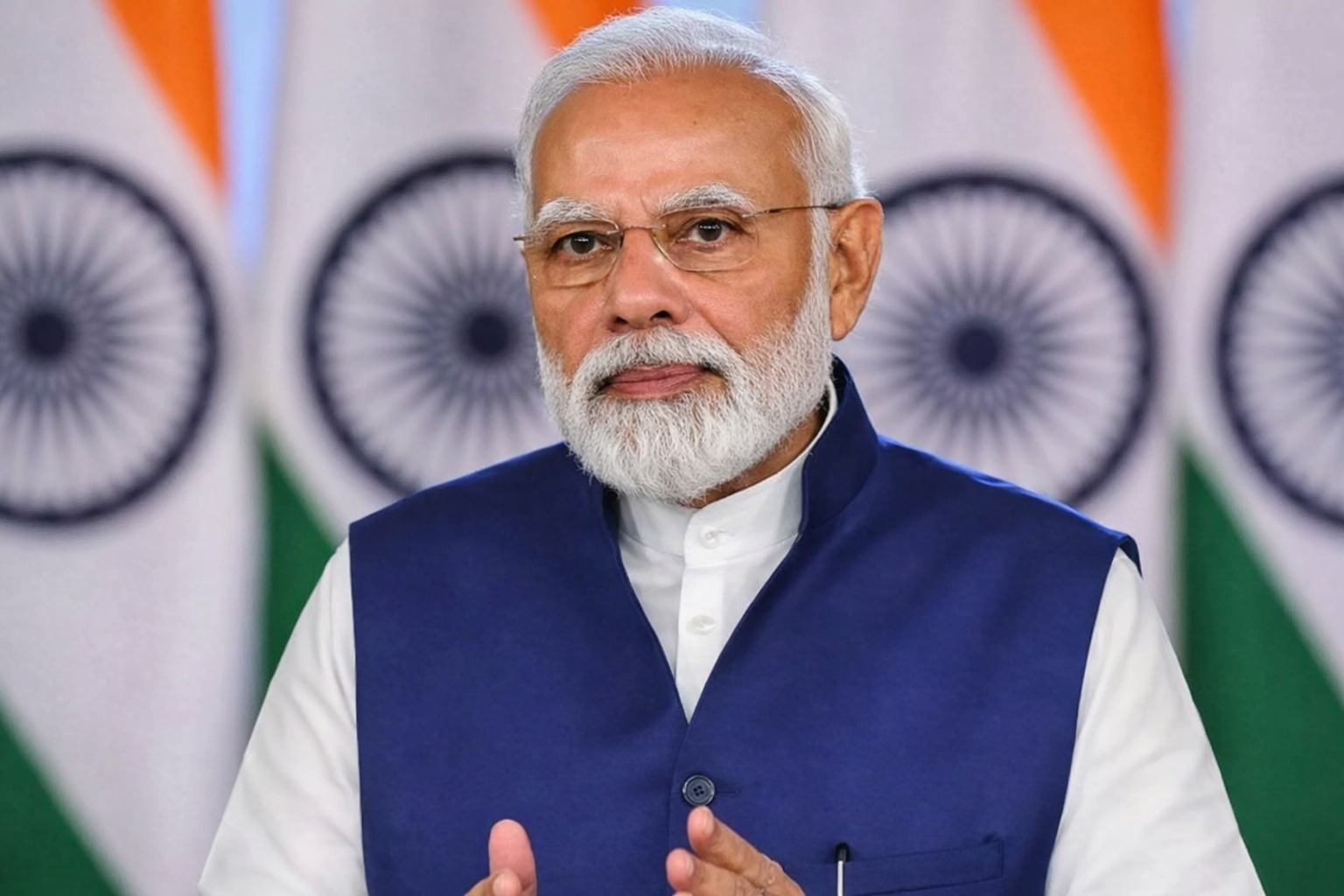
Prime Minister Narendra Modi made it clear last Friday that this year's Union Budget is not just a list of numbers. Speaking at a webinar held after the Budget announcement, he said the 2026-27 Budget is a roadmap - one that points toward a developed India by 2047, a goal the government calls 'Viksit Bharat'. "The national Budget is not a short-term trading document. It is a policy roadmap," Modi said. The webinar was the first in a series of discussions aimed at turning Budget promises into real action on the ground. Finance Minister Nirmala Sitharaman and other senior officials also attended the event.
Why Bond Markets Matter
One of the key points Modi stressed was the need to fix and strengthen India's bond markets. A bond market is where the government and companies borrow money from investors for long periods. When bond markets work well, they bring in steady, long-term investment - both from within India and from abroad. Modi said the current system needs to be made simpler and more transparent. He wants to see new financial tools created that carry less risk, so that foreign investors feel safe putting their money into India. "We need to ensure predictability, deepen liquidity, and introduce new instruments to manage risk effectively," he said, adding that this would help attract sustained foreign capital. He urged policymakers and market experts to study how other countries run their bond markets and adopt those best practices in India.
From Rs 2 Lakh Crore to Rs 12 Lakh Crore
Modi also pointed to a major shift in how much the government has been spending on building the country's infrastructure. Eleven years ago, the government's capital expenditure - money spent on creating long-term assets like roads, ports, and power systems - stood at around Rs 2 lakh crore. Today, that figure has crossed Rs 12 lakh crore. "At such a big scale, government spending is a clear message for the private sector," he said. In other words, the government has been doing its part. Now Modi wants businesses and financial institutions to match that energy with their own investments.
A Call to Industry: Step Up
The Prime Minister did not hold back when asking the private sector to play a bigger role. He said India needs more private investment in infrastructure, more creative thinking around how projects get funded, and stronger teamwork between businesses and emerging industries. He also raised concerns about how projects are approved. Modi said the process needs to be stricter - with proper cost-benefit analysis done before any project gets the green light. He wants decision-makers to think about the full life of a project, not just its upfront cost, to cut down on waste and delays.
Technology as a Tool for Better Governance
Modi also spoke about using modern technology to make governance more efficient and honest. He said artificial intelligence, blockchain, and data analytics should be used to bring more speed, transparency, and accountability to the system. He also highlighted the need for a strong system to track and resolve public complaints, so that reforms actually reach ordinary people and are not just promises on paper.
A Charter to Bring Everyone Together
Perhaps the most forward-looking idea Modi shared was a proposal for what he called a 'Reform Partnership Charter'. This would be a formal agreement that brings together the government, businesses, financial institutions, and universities - all working toward the same goal of building a developed India by 2047. "When government, industry, and knowledge partners move forward together, reforms are transformed into results," he said. The idea is to move beyond simply announcing policies and instead make sure those policies actually deliver change on the ground.
Simplifying Foreign Investment
Modi also mentioned that the government is working to make it easier for foreign companies and investors to put money into India. The foreign investment rules are being simplified so the process becomes more predictable and less confusing. This comes at a time when India is working on trade deals with major economies including the European Union, the United States, and Israel.
The Bottom Line
The message from Modi's address was straightforward: the government has laid the groundwork, now everyone else needs to step in. Bond market reforms, smarter project approvals, more private investment, and the use of technology - these are the tools Modi wants India to use as it builds toward becoming a developed nation in the next two decades. The next step, he said, is not talking about reforms - it is delivering them.