There are no items in your cart
Add More
Add More
| Item Details | Price | ||
|---|---|---|---|
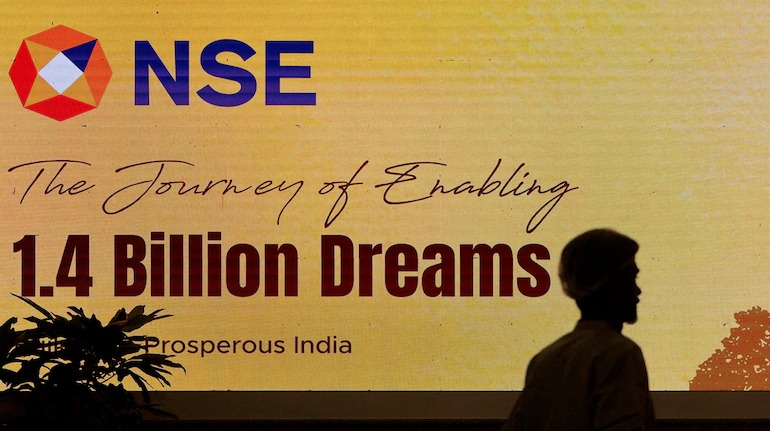
India's largest stock exchange is finally heading for a public listing. The National Stock Exchange of India (NSE) has secured board approval to launch its initial public offering through an offer for sale by existing shareholders, marking the end of a tumultuous decade-long journey toward going public. The decision came at a board meeting held on Friday, shortly after market regulator SEBI granted a no-objection certificate on January 30. This regulatory clearance was the final hurdle NSE needed to cross before moving ahead with what could become one of the largest IPOs in Indian capital market history. A Fresh Start with New Leadership
To drive the listing process forward, NSE has reconstituted its IPO Committee with a clear mandate. The committee will be chaired by Tablesh Pandey, a non-independent director and former LIC managing director. He will be joined by public interest directors Srinivas Injeti, Professor Mamata Biswal, Abhilasha Kumari, and Professor G. Sivakumar, along with NSE's Managing Director and CEO Ashish Chauhan. This committee holds significant responsibility. It will oversee everything from defining listing procedures to selecting merchant bankers and legal advisors who will prepare the draft red herring prospectus. Industry sources suggest the formal IPO process will kick off next week under the committee's guidance.
Timeline and Issue Size
NSE is targeting an ambitious timeline. The exchange aims to file its draft red herring prospectus by end-March or early April. The exact timing depends on which quarter's audited numbers are used. If September quarter figures are included, filing could happen by March-end. Otherwise, using December quarter audited numbers might push it to April. The IPO will be structured entirely as an offer for sale, meaning existing shareholders will sell their stakes rather than the company issuing new shares. Around 4.5 percent of NSE's equity is expected to come up for sale. At the current grey market price of roughly Rs 2,000 per share, the issue size could touch approximately Rs 23,000 crore. CEO Ashish Kumar Chauhan has clarified that while NSE prefers the OFS route, the exchange might consider fresh issuance of shares if the target dilution cannot be met through existing shareholders alone.
The Turbulent Road to Listing
NSE's listing journey has been anything but smooth. The exchange first attempted to go public in 2016, filing draft documents to raise around Rs 10,000 crore. However, regulatory concerns quickly derailed those plans. The main stumbling block was the co-location controversy. Certain brokers were accused of receiving preferential access to NSE's trading systems, giving them unfair advantages. This case, along with governance lapses, led SEBI to withhold approval for years. The matter even reached the Delhi High Court, with both NSE and SEBI becoming parties to the litigation. After years of legal battles, NSE finally filed a settlement plea in June 2025, offering to pay Rs 1,388 crore to resolve the charges and clear the path for listing. Last month, SEBI chairman Tuhin Kanta Pandey announced that the regulator had granted in-principle approval to NSE's settlement application. He also indicated that the no-objection certificate would be issued within about a month, a timeline that was met.
Market Impact and Expectations
The proposed listing is being watched as a landmark event for India's financial ecosystem. NSE dominates the domestic equity derivatives market and handles the highest trading volumes among Indian exchanges. With approximately 1.77 lakh shareholders and a grey market valuation exceeding Rs 5 lakh crore, the IPO is expected to draw massive investor interest. The listing will also bring greater transparency to NSE's operations and governance, subjecting India's premier exchange to the same public scrutiny that listed companies face.
Diversification Move: Coal Exchange Subsidiary
In a separate development, the NSE board approved the incorporation of a coal exchange subsidiary in line with the Ministry of Coal's proposed Coal Regulations, 2025. The new entity, likely to be named National Coal Exchange, Bharat Coal Exchange, or India Coal Exchange, will serve as a regulated platform for electronic trading of physical coal. NSE plans to invest up to Rs 100 crore to meet minimum net-worth requirements. The exchange will initially hold at least 60 percent stake, with other shareholders taking the balance. The subsidiary will need approvals from both SEBI and the Coal Controller Organisation. This platform aims to bring transparency and efficiency to India's fragmented coal market, currently operating through largely opaque channels. Future plans include facilitating derivative products, subject to regulatory approval.
Strong Financial Performance
NSE's financial health remains robust. The exchange reported a 15 percent sequential increase in net profit to Rs 2,408 crore for the quarter ending December 31. Consolidated revenue grew 6 percent to Rs 4,395 crore, driven primarily by higher transaction charges from increased volumes in equity cash and derivatives segments. Operating EBITDA jumped an impressive 92 percent to Rs 2,851 crore, reflecting strong operational efficiency. With such solid fundamentals, NSE appears well-positioned to make a strong market debut when the IPO finally hits the street.
Disclaimer: This article is for informational purposes only and should not be considered as investment advice. Please consult your financial advisor before making any investment decisions. Investments are subject to market risks.