There are no items in your cart
Add More
Add More
| Item Details | Price | ||
|---|---|---|---|
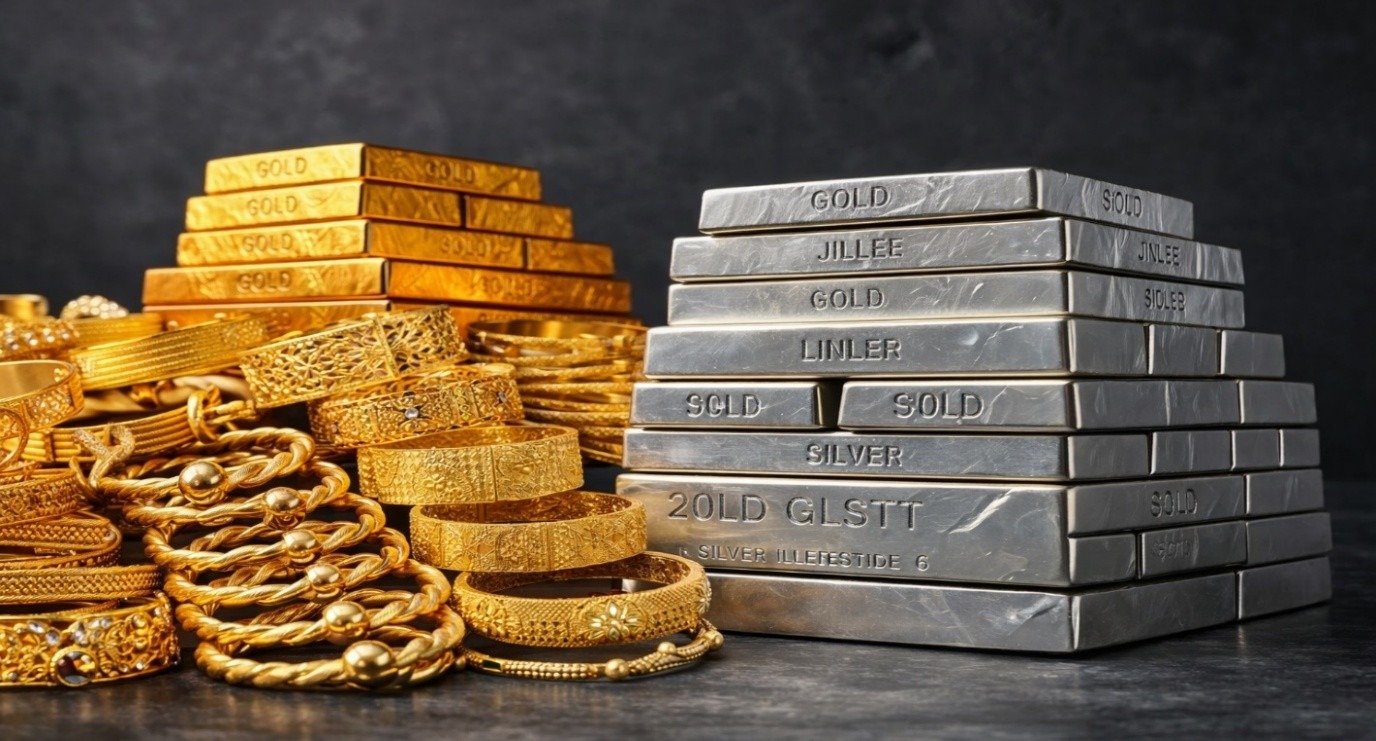
Something shifted quietly in India's trade landscape this week, and if you're in the jewellery business or just someone who follows how governments respond to creative rule-bending this one's worth paying attention to. The Directorate General of Foreign Trade, the DGFT, put out a notification that moved gold, silver, and platinum jewellery imports from the "Free" category to "Restricted." Just like that. Items falling under Customs Tariff Heading 7113 basically, jewellery made from precious metals now need prior government approval or a license before they can enter the country. What's interesting isn't just the rule itself. It's the tone of it.
The Part That Really Stood Out
There's usually some cushion when new trade policies land. A transition period. A few weeks where businesses can wrap up existing orders and adjust. That's just... how these things normally work, right? Not this time. The DGFT was explicit no transitional arrangements. The restrictions apply regardless of prior contracts, irrevocable letters of credit, advance payments, or shipment status. If your cargo is already on a ship heading to an Indian port, it doesn't matter. The new rules apply the moment it arrives. That's a hard line. And honestly, the firmness of it tells you something about how serious the government is treating this particular problem.
So What Actually Happened Here?
The short answer: traders got clever, and the government noticed. India has had a Free Trade Agreement with ASEAN the 10-nation Southeast Asian bloc since 2010. Under that agreement, goods from countries like Thailand can enter India at significantly reduced or even zero duty rates. That's the whole point of an FTA. Lower barriers, more trade, everyone benefits. Except some traders figured out a workaround. Raw gold and silver attract higher import duties when brought in directly. But if you route the same metal through a country like Thailand, process it minimally call it jewellery, specifically "unstudded jewellery" and ship it under the FTA, suddenly the duty burden drops dramatically. It's technically legal, or at least it was sitting in a grey zone. But it was clearly defeating the purpose of both the duty structure and the trade agreement. The government was essentially losing revenue while certain importers pocketed the difference. That's the kind of thing that doesn't go unnoticed for long.
This Wasn't Entirely Out of Nowhere
Looking back, there were signs this was coming. In September 2025, the government had already put curbs on silver jewellery imports those restrictions ran until March this year. Then in November, similar curbs came in for certain platinum jewellery types, lasting until April. There was also a separate move targeting platinum alloys with less than 99% purity, specifically to stop people blending it with gold to exploit duty differences. So the government had been circling this issue for a while. Wednesday's or Thursday's, depending on which notification you're looking at announcement just pulled everything together and made it comprehensive. All gold, silver, and platinum jewellery. No carve-outs based on type or purity. Done.
Who Doesn't Have to Worry
To be fair, the government hasn't painted everyone with the same brush. There are exemptions, and they make logical sense. Units operating inside Special Economic Zones aren't affected. Neither are 100% Export Oriented Units. The reasoning is straightforward these businesses are importing to manufacture and export, not to sell domestically. They're not the ones exploiting duty loopholes. Import schemes linked to the gems and jewellery export sector also remain untouched. The message is fairly targeted: if you're importing to sell in India while gaming the FTA system, this is aimed at you. Legitimate export-driven operations can carry on.
The Real Question Going Forward
Here's the thing though. Rules like this tend to create unintended friction for people who were never doing anything wrong. An industry official and this was noted across multiple reports has already urged the government to keep the licensing process simple and accessible. Because even genuine importers, the ones doing everything by the book, now have to go through an approval process they didn't need before. Delays can pile up. Approvals can get stuck. Supply chains get disrupted. The government's intention here seems clear and arguably justified. Plugging FTA misuse is a legitimate goal. But the execution of the licensing system will matter enormously. A cumbersome approval process could end up punishing honest businesses just as much as the ones it was designed to stop. India's jewellery trade is significant both domestically and as an export industry. The hope is that the government follows through with a licensing mechanism that's actually functional. Because right now, the easy import days are over. What comes next depends entirely on how smoothly the new system runs.