There are no items in your cart
Add More
Add More
| Item Details | Price | ||
|---|---|---|---|
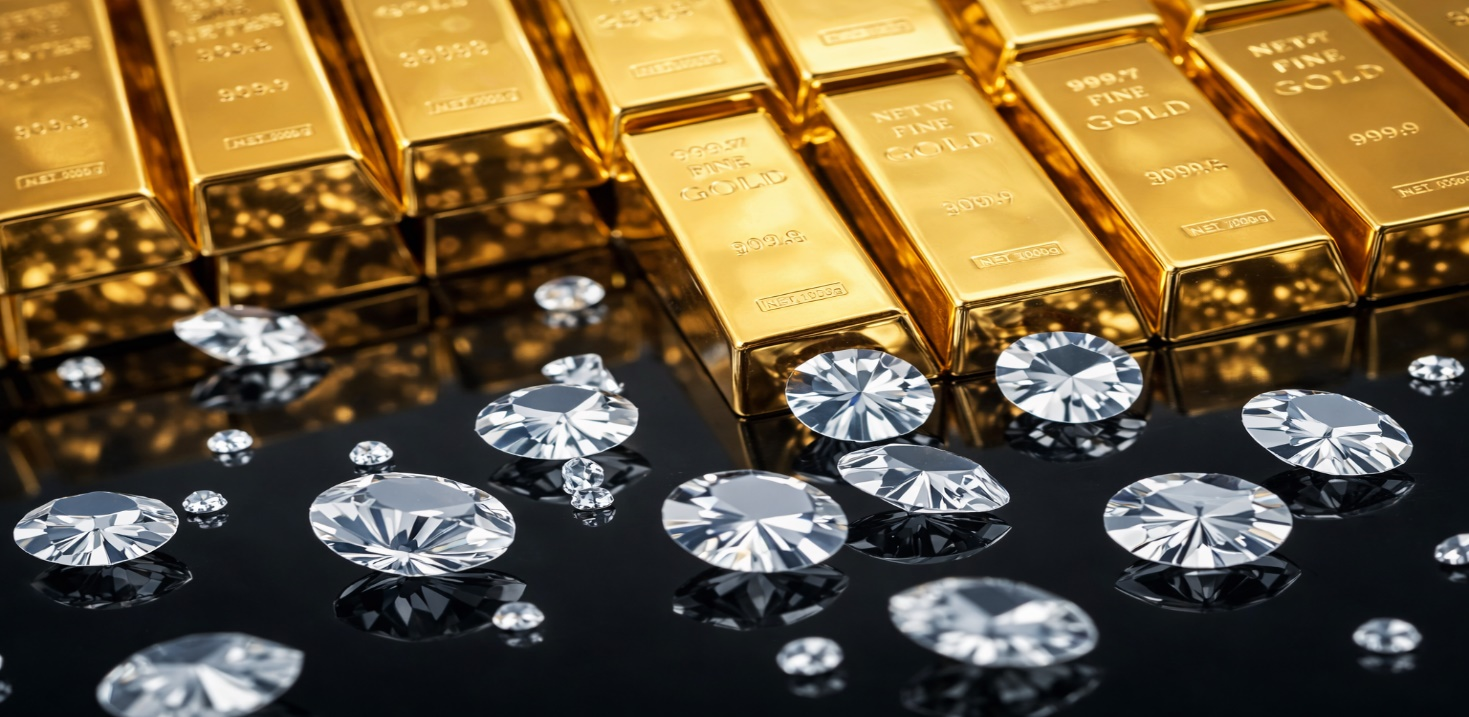
Walk into any jewellery store in Jaipur, Mumbai, or even a smaller city like Indore today, and you'll notice something different. Young women in their 20s and 30s are not just looking at gold bangles for their wedding. They're asking about diamond rings, diamond earrings, diamond pendants. Things they want to wear every day. Not just on special occasions. This isn't just a shopping trend. It's a sign of something much bigger. India has officially become the second-largest diamond jewellery market in the entire world. And the story behind this is fascinating.
How Did This Happen?
According to the 2025 De Beers India Diamond Acquisition Study, India now holds a 12% share of global diamond jewellery demand. Back in 2019, this share was just 10%. More importantly, India has now overtaken both China and Japan each sitting at just 5%. The only country ahead of India is the United States, which holds a massive 53% share. That's huge. Think about it India, a country where gold has always been the king of jewellery, is now No. 2 in diamonds globally. So what changed ?
The Old Mindset vs. The New One
For decades, diamonds in India were "locker luxury." You bought them, maybe wore them twice at your wedding and at a close relative's wedding and then locked them away. They were a status symbol, not an everyday item. But that thinking is changing fast. Today's young Indian consumers Gen Z and millennials see diamonds differently. For them, a diamond piece is not just jewellery. It's a statement. It's something they buy for themselves, not just as a bridal gift or family heirloom. The De Beers report says that Gen Z and millennials now control 86% of India's diamond market value. That's an extraordinary number. It shows who is really driving this change.
Women Are Leading the Way
Here's another interesting shift. More and more women in India are financially independent. They have their own income. They make their own decisions about what to buy. And they're choosing diamonds. Overall ownership of natural diamond jewellery among Indian women rose to 15% in 2025, up from just 11% in 2022. That's a significant jump in just three years. The addressable market women aged 18 to 64 in SEC A and B categories across Tier 1 to Tier 5 cities is estimated at 67 million women. The average spending per diamond piece is around ₹1.4 lakh. That's not a small number. And it's growing.
Not Just Big Cities Anymore
A few years ago, diamond jewellery was mostly a metro thing. Delhi, Mumbai, Bangalore that's where most of the buying happened. Now, Tier 2 and Tier 3 cities are catching up fast. Cities like Surat, Nagpur, Coimbatore, and Lucknow are seeing growing demand for diamond jewellery. Rising incomes, better access to branded stores, and social media influence are all playing a role. The De Beers report predicts India's natural diamond jewellery market will reach ₹1,50,000 crore by 2030. That's nearly double its current size of ₹78,500 crore. The market is expected to grow at 12% every year between 2024 and 2030.
What About Lab-Grown Diamonds?
This is a question a lot of people ask. Lab-grown diamonds (LGDs) look exactly like natural diamonds but cost much less. So are they a threat to natural diamond sales? The answer, at least for now, is not really. LGD adoption has grown, with female consumers claiming to have acquired LGD jewellery worth over one-fifth of total diamond market value in 2024. The average price of an LGD piece is around ₹1.04 lakh about 26% cheaper than a natural diamond piece at ₹1.41 lakh. But natural diamonds still lead. Buyers who want something rare, authentic, and long-lasting prefer natural diamonds. LGDs are more of an entry point a way for first-time buyers to step into the category.
The Gold Factor
India also holds a staggering amount of gold. According to ASSOCHAM, Indian household gold holdings exceed $5 trillion in value more than the combined gold reserves of the world's top 10 central banks. In simple terms Indian families love storing wealth in precious things. Gold has always been the default. But diamonds are slowly earning a place alongside gold, especially among younger buyers who want something that also looks beautiful every day.
What This Means for Everyday Indians
If you're someone who has always bought gold and never seriously considered diamonds this is worth thinking about. Natural diamond jewellery is no longer just for the ultra-rich. Brands are launching more affordable collections. Smaller diamond pieces earrings, nose pins, simple pendants are available at ₹20,000 to ₹50,000. That's within reach for a lot of middle-class families. And unlike gold, a diamond piece often holds its emotional value beyond its financial one.
Conclusion
India becoming the world's second-largest diamond market is not just a business milestone it reflects how Indian consumers are evolving. More income, more confidence, and a new desire to celebrate everyday moments with something beautiful. The diamond is no longer just for the locker. It's for the woman wearing it every single day to work, to dinner, to life. And that shift? It's only going to grow stronger.