There are no items in your cart
Add More
Add More
| Item Details | Price | ||
|---|---|---|---|
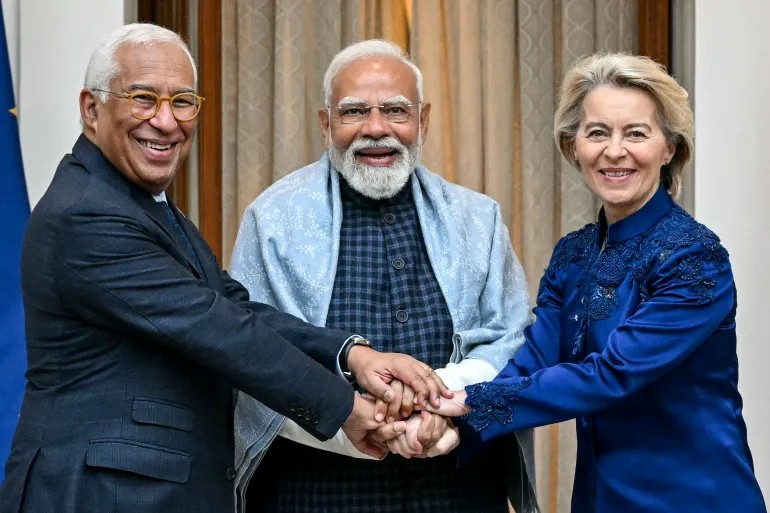
After 18 years of negotiations, India and the European Union have finally signed what both sides are calling the "mother of all deals." But beyond the celebration and grand statements, what does this massive free trade agreement actually mean for Indian markets and consumers? Is it truly beneficial, or are there hidden concerns?
Understanding the Scale
The India-EU Free Trade Agreement creates a free trade zone covering two billion people. Prime Minister Modi wasn't exaggerating when he said this deal represents 25% of global GDP and one-third of world trade. These numbers are massive. Current bilateral trade between India and the EU stands at $136 billion, and this agreement is expected to push that much higher. EU Commission President Ursula von der Leyen called it historic, promising that both sides will benefit. But the real question is: how will Indian markets specifically fare in this new arrangement?
What Gets Cheaper for Indian Consumers
Indian consumers will see significant price drops on several European products. European cars, which currently face tariffs of 110%, will see duties slashed to just 10% for up to 250,000 vehicles annually. This means luxury brands like Mercedes and BMW could become considerably more affordable. Beer tariffs are being cut to 50%, while wine duties drop to 20-30%. Premium spirits, currently taxed up to 150%, will see charges slashed to 40%. That imported whiskey or gin won't cost as much anymore. Food items are also getting cheaper. Tariffs on fruit juices, processed foods, olive oil, and vegetable oils are being eliminated. This means better variety and lower prices at your local supermarket.
The Industrial Advantage
For Indian industries, the picture is potentially very positive. The agreement eliminates tariffs on machinery (up to 44%), chemicals (up to 22%), and pharmaceuticals (up to 11%). This is huge for Indian manufacturers who rely on European equipment and raw materials. Lower input costs mean more competitive production. The medical sector benefits particularly well. Tariffs on 90% of European medical equipment will disappear, meaning access to better technology at lower costs. The aerospace industry gets tariff elimination on almost all aircraft and spacecraft products.
What India Gains in Export Markets
The deal isn't just about importing European goods. Indian exporters get significant wins too. Textiles, leather goods, and marine products will enjoy duty-free access to EU markets. These are sectors where India has strong manufacturing capabilities and competitive advantages. For textile manufacturers in Surat or leather goods producers in Kanpur, this opens up a market of over 450 million relatively wealthy consumers. The gems and jewelry sector, which PM Modi specifically highlighted, could see substantial growth as it gains easier access to European buyers. The EU expects to save up to 4 billion euros annually in duties, but Indian exporters will also save significantly. More importantly, simplified customs procedures mean faster and cheaper exports, which helps small and medium enterprises compete better.
The Concerns and Challenges
However, not everything is rosy. European manufacturers are known for their efficiency and scale. With tariffs dropping, small Indian manufacturers might struggle to compete with high-quality European products. The automotive sector faces particular challenges. While Indian consumers benefit from cheaper European cars, domestic manufacturers face tougher competition. India specializes in smaller vehicles while Europeans focus on larger, advanced models. This could mean European brands capturing premium segments of the Indian market. Agriculture and dairy were sensitive during negotiations. India has protected these sectors because millions of farmers depend on them. Any increased access for European agricultural products could pressure Indian farmers.
The Strategic Benefits
Beyond immediate economics, this deal serves strategic purposes. It reduces dependence on any single trading partner and diversifies supply chains. With global trade tensions rising, particularly US tariffs creating uncertainty, strong EU ties make strategic sense. The agreement includes provisions for digital trade, intellectual property protection, and easier access for service providers. The EU's commitment of 500 million euros over two years to help India cut emissions supports climate goals while strengthening the partnership.
Timeline and Implementation
Don't expect immediate changes. The agreement needs ratification and won't take effect until early 2027. Both sides will finalize the text over coming weeks, followed by months of legal scrutiny. The European Parliament must approve it, though individual EU nations don't need to sign off.
The Verdict
So, is this deal beneficial for Indian markets? The answer is nuanced. In the short term, consumers definitely win with cheaper products and better choices. Export-oriented industries in textiles, leather, and gems get valuable market access. Industries using European machinery and inputs benefit from lower costs. However, some domestic manufacturers face increased competition. The real test will be whether Indian businesses can use this opportunity to scale up, improve quality, and integrate into global value chains, or whether they struggle against European efficiency. Overall, the deal appears more beneficial than not. It forces Indian industries to become more competitive while opening doors to massive European markets. The success depends largely on how well Indian businesses adapt and capitalize on the opportunities. After 18 years of negotiations, both sides believe the benefits outweigh the costs. Time will tell if the "mother of all deals" lives up to its grand name.