There are no items in your cart
Add More
Add More
| Item Details | Price | ||
|---|---|---|---|
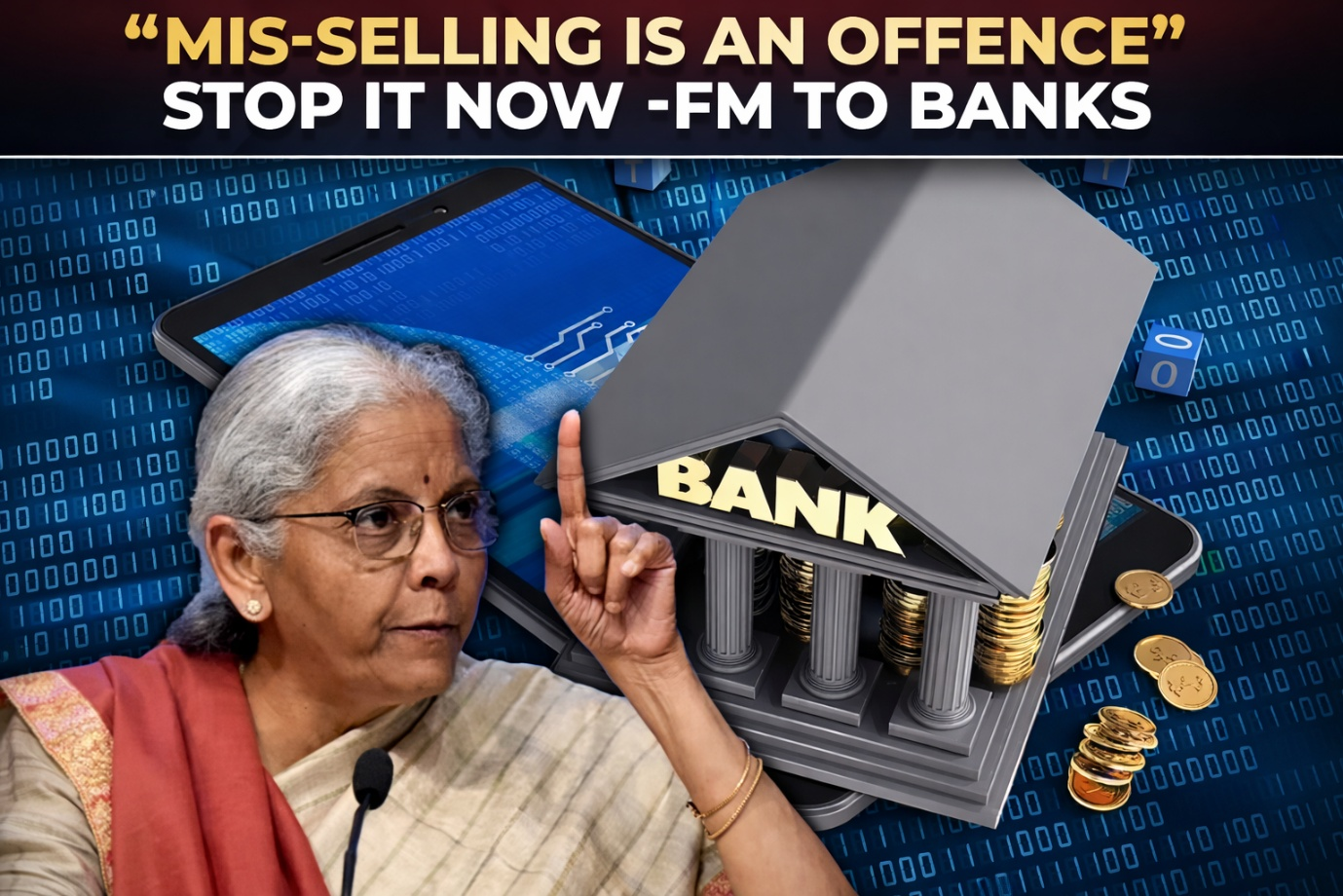
India's Finance Minister Nirmala Sitharaman has had enough. She wants banks to get back to doing what banks are supposed to do - take deposits and give loans - and stop pestering customers into buying insurance and other financial products they may not even need. She made these remarks on Monday after her usual post-budget meeting with the Reserve Bank of India's board in New Delhi. And she did not mince words. "Mis-selling is an offence," she said plainly. "Banks cannot afford to mis-sell."
What Is Mis-Selling and Why Does It Matter?
Mis-selling happens when a bank employee sells you a financial product - usually insurance - without properly explaining what it does, whether you actually need it, or whether it suits your financial situation. Sometimes customers find out the hard way, only when they try to make a claim and discover conditions they were never told about. This has been going on for years. Bank employees are often given sales targets for third-party products like insurance. They earn higher commissions when they hit those targets. So the pressure to sell kicks in - and the customer's actual needs often take a back seat. Think about it this way. You walk into a bank to get a home loan. You already own property that you are offering as security. You may even have existing insurance cover. But the bank representative still pushes you to buy another insurance policy as a condition - or near-condition - of getting the loan approved. You are confused. You are not sure if you can say no. So you agree. That is exactly the kind of situation Sitharaman is talking about. "Why is the customer being asked to de-risk when he has already given his land and property as security for the loan?" she asked. It is a fair question, and one that ordinary borrowers across the country have been asking for a long time.
A Gap Between Regulators
Part of the problem has been that nobody was clearly responsible for stopping this. The RBI regulates banks. The Insurance Regulatory and Development Authority of India, known as IRDAI, regulates insurance companies. But when a bank sells an insurance product, it falls awkwardly in the middle. The RBI's view was that insurance selling was IRDAI's business. IRDAI's view was that it does not regulate banks. So the customer was stuck in between, with no regulator firmly stepping in to protect them. Sitharaman acknowledged this gap and welcomed the fact that the RBI is now stepping up to fix it. RBI Enters the Picture
Earlier this month, on February 11, the RBI released draft guidelines specifically targeting mis-selling by banks. Under these proposed rules, if a bank is found to have mis-sold a product to a customer, it will have to refund the full amount the customer paid. It will also have to compensate the customer for any losses they suffered because of that mis-selling. The RBI has invited public feedback on these guidelines until March 4. If things go as planned, the new rules will come into effect from July 1. This is a significant move. Until now, customers who were mis-sold products often had little practical recourse. A formal framework with clear refund obligations changes that in a meaningful way.
Focus on Real Banking
Sitharaman's bigger message to banks is about priorities. She is not saying banks should never sell any non-banking product. She is saying the balance has gone badly wrong. "My pet peeve has always been that banks should do their core banking business," she said. "Instead, they are spending more time selling insurance where it is not even required." She wants banks to concentrate on mobilising deposits - particularly low-cost savings and current accounts - and on giving credit where it is needed. That is the job. Chasing insurance commissions while customers sit waiting for proper loan and deposit services is not the job.
What This Means for You
If you have ever felt pressured at a bank counter to buy something you did not fully understand, you are not imagining things. It has been a widespread and documented problem. The good news is that both the Finance Ministry and the RBI are now treating it seriously. With new RBI guidelines on the way and the Finance Minister calling mis-selling an outright offence under the Bharatiya Nyaya Sanhita, banks now face real consequences for pushing products onto unwilling or uninformed customers. For ordinary people, that is a step in the right direction.