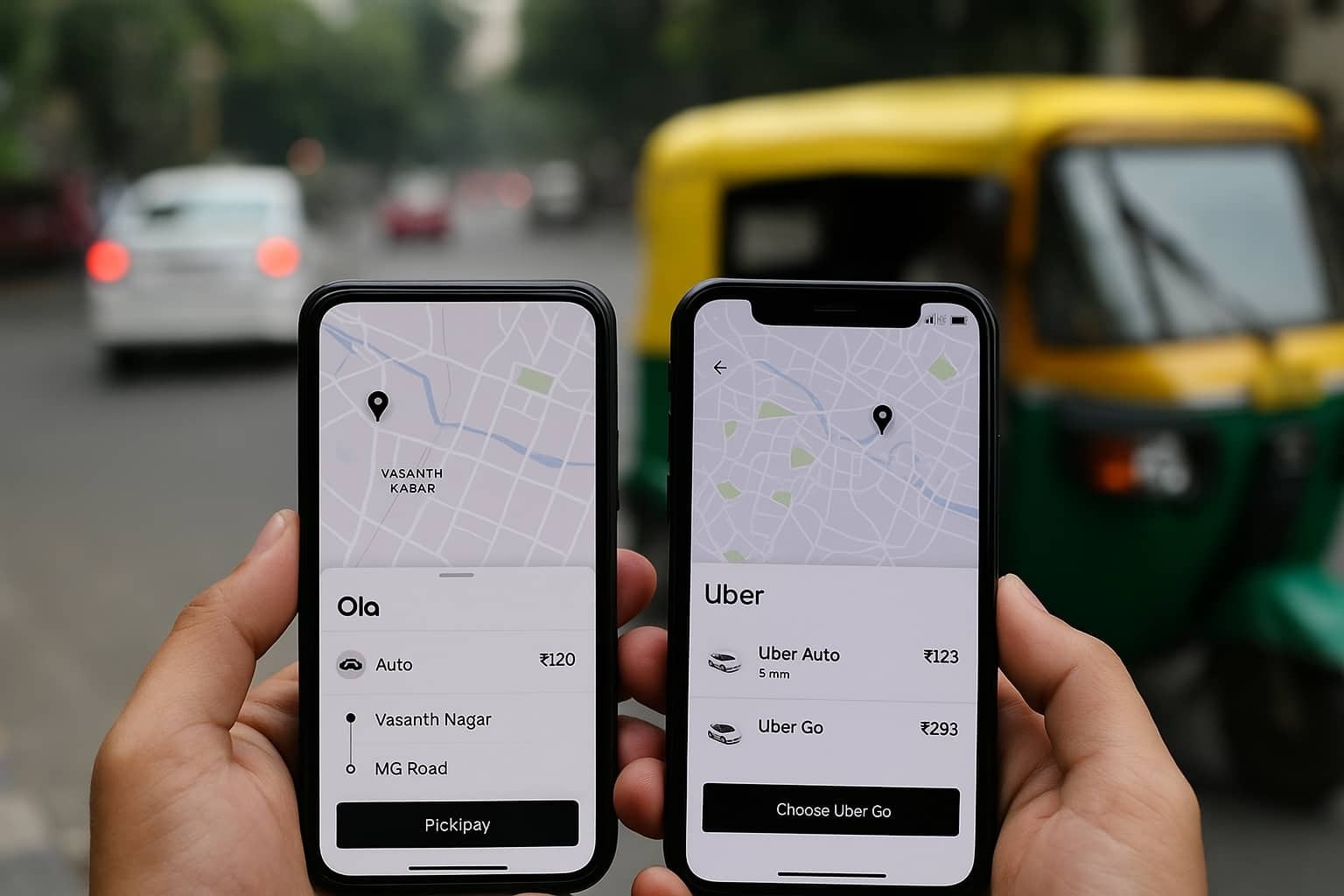
If you opened your Ola or Uber app today and found no cabs available, you're not alone. Thousands of app-based taxi and auto drivers across India have decided to keep their apps switched off for the entire day. No rides, no pickups, no deliveries - it's a complete shutdown.
This isn't just happening in one city. From Mumbai to Hyderabad, drivers working with Ola, Uber, Rapido, and Porter have all joined what they're calling the 'All India Breakdown'. But what pushed these drivers to take such a drastic step?
The Money Problem
At the heart of this protest is a simple issue: drivers say they're not earning enough to survive. Unlike regular taxis that charge fixed rates set by the government, these app-based companies decide their own fares. And according to the drivers, these companies keep changing prices in ways that hurt their income.
Prashant Sawardekar, who leads a federation of app-based transport workers, explains that companies can charge fares up to 50% lower than what traditional metered taxis charge. While this might sound great for passengers, drivers say it's crushing them financially.
"We're working longer hours but making less money," says Shaik Salauddin, president of the Telangana Gig and Platform Workers Union. "Meanwhile, these companies are making huge profits."
The government actually released something called the Motor Vehicle Aggregator Guidelines in 2025, which was supposed to fix minimum fares that companies must pay drivers. But here's the catch - these minimum fares were never actually announced. So the rules exist on paper, but nobody's following them.
The Panic Button Mess
There's another problem making drivers angry, and it's about safety devices. The government said all cabs must have panic buttons installed - those emergency buttons passengers can press if they feel unsafe. Sounds reasonable, right?
Here's where it gets messy. The central government approved 140 companies that make these panic buttons. But then state governments came along and said 70% of those companies aren't authorized. So drivers who already spent money installing one type of panic button are now being forced to remove it and buy a different one.
Each new panic button costs around ₹12,000. For drivers already struggling with low income, this feels like a cruel joke.
The Bike Taxi Dispute
Drivers are also furious about bike taxis operating through apps like Rapido. In many states, bike taxis aren't technically legal yet. The unions call these services "illegal" and point out something disturbing - when accidents happen involving these bike taxis, riders often can't claim insurance because the service itself wasn't authorized.
Several fatal accidents in Mumbai involving bike taxis have left victims without any compensation, which has become a major concern for the unions.
What Do Drivers Actually Want?
The striking drivers have put forward two main demands. They're not asking for anything fancy - just basic fairness.
First, they want the government to announce minimum base fares that companies must pay. These fares should be decided after talking to driver unions, not just by the companies themselves. The drivers argue this is already supposed to happen according to the 2025 guidelines, so they're just asking for the law to be followed.
Second, they want a strict ban on using private vehicles for commercial rides. Right now, many people use their personal cars (white number plates) to pick up passengers for money through these apps. Drivers say this isn't fair because commercial vehicles (yellow number plates) have to follow stricter rules and pay higher costs.
Government Response - Or Lack of It
The unions say they've been complaining about these issues for months. They've sent letters to Nitin Gadkari, the Union Road Transport Minister. They've met with Rahul Gandhi, the opposition leader. The Maharashtra transport department has even sent written orders to Ola, Uber, and Rapido to follow government rules.
But according to the unions, nothing has changed on the ground. Companies continue doing what they want, and drivers continue struggling.
Interestingly, the striking workers praised Karnataka's Congress government for actually passing a law to protect gig workers. They're asking other states to do the same.
A Bigger Picture
This strike is part of a growing wave of protests by gig workers - people who work through apps but aren't considered regular employees. In December 2025, food delivery workers also held demonstrations over similar issues.
Even the government's own Economic Survey released in January admitted that while the gig economy is growing fast, worker protections are severely lacking.
The unions put it bluntly in their social media posts: "No minimum fares. No regulation. Endless exploitation. Government silence equals platform impunity."
What This Means for You
For commuters today, this means finding alternative ways to travel. The unions estimate that most yellow-plated taxis in cities like Mumbai won't be available. If you absolutely need to go somewhere, you might want to consider traditional taxis, metro, buses, or asking a friend for a ride.
The app companies themselves - Ola, Uber, Rapido - haven't said anything publicly about the strike.
Whether this one-day shutdown will force the government or companies to act remains to be seen. But one thing is clear: the people driving you around every day are saying they can't survive on what they're earning anymore, and they're demanding someone listen.